
trendy bathroom mirrors
Exploring the Small Hole Measuring Gauge Precision in Measurement In the realm of engineering and manufacturing, precision is paramount. One of the tools that embody this precision is the small hole measuring gauge. Designed to accurately measure the diameter of small holes, this device plays a critical role in various industries, including aerospace, automotive, and medical device manufacturing. In this article, we delve into the intricacies of small hole measuring gauges, their applications, advantages, and best practices for use. Understanding Small Hole Measuring Gauges Small hole measuring gauges are specialized instruments that allow users to assess the diameter of holes that may be too small for conventional measuring tools like calipers or micrometers. These gauges come in various designs, but they generally consist of a probe that is inserted into the hole being measured. The gauge indicates the diameter based on the depth to which the probe can fit within the hole. There are different types of small hole measuring gauges available, including dial gauges, digital gauges, and laser-based systems. Each type has its unique features, advantages, and measurement methods, catering to individual needs in measurement accuracy and ease of use. Applications of Small Hole Measuring Gauges The applications of small hole measuring gauges are vast. In the aerospace industry, for example, manufacturers often create parts with highly precise hole dimensions to ensure proper fit and function; thus, small hole measuring gauges are essential to verify these specifications. In the automotive industry, they are used to measure fuel injector orifices and critical engine components, where even the slightest deviation can affect performance and emissions. Moreover, in the medical device sector, precision is crucial. Small hole measuring gauges are employed to inspect components like syringes, needles, and tubes to ensure that they meet the required specifications for safety and efficacy. This level of precision in measurement is vital in maintaining quality control across various industries. Advantages of Using Small Hole Measuring Gauges One of the primary advantages of small hole measuring gauges is their ability to provide accurate measurements in confined spaces. Unlike traditional tools that may struggle with tiny openings, these gauges are specifically designed to access and measure small diameters effectively . This ensures that manufacturers can maintain tight tolerances in their production processes, reducing the risk of defects and ensuring product reliability. small hole measuring gauge Another advantage is the speed of measurement. Many small hole measuring gauges, particularly digital models, can provide instantaneous readings, which can significantly enhance productivity in manufacturing settings. This rapid feedback allows operators to make real-time adjustments, thereby streamlining quality control processes. Best Practices for Using Small Hole Measuring Gauges To maximize the accuracy and lifespan of small hole measuring gauges, it is essential to follow best practices during use 1. Calibration Regularly calibrate the gauge according to the manufacturer’s specifications to ensure accuracy. Calibration should be done before each measurement session. 2. Cleanliness Keep the measuring probe and the work area clean. Dust and debris can affect measurement accuracy and may damage the probe over time. 3. Proper Insertion Technique When inserting the probe into the hole, ensure that it is perpendicular to the hole's surface. This prevents skewed measurements and increases reliability. 4. Reading the Measurement Take note of the measurement readout promptly and avoid moving the gauge after the reading is taken to prevent errors. 5. Training Ensure that all personnel using the gauges are adequately trained on how to operate them correctly. Understanding the gauge’s capabilities and limitations will enhance measurement accuracy. Conclusion Small hole measuring gauges are essential tools in ensuring precision in various industries that require high accuracy for small components. Their ability to measure small diameters with ease and speed makes them indispensable in quality control and assurance processes. By adhering to best practices and understanding their applications, engineers and technicians can enhance the reliability and performance of their products while maintaining the high standards required in today's competitive market. The right tools, like the small hole measuring gauge, contribute significantly to the success of many engineering projects, exemplifying the importance of precision in modern manufacturing.
about
trendy bathroom mirrors
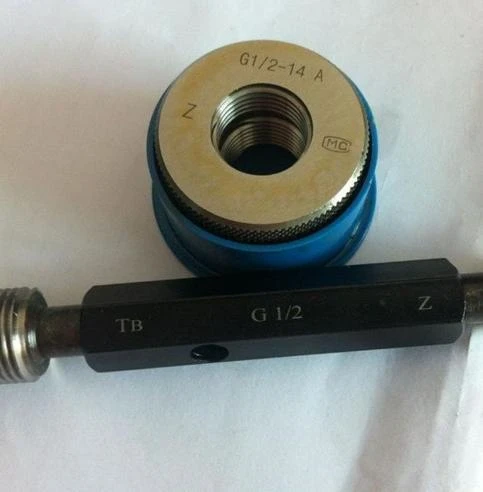
Understanding Thread Ring Gauge Go and No-Go Standards In the realm of manufacturing and quality control, precision is paramount, particularly when dealing with threaded components. One of the essential tools employed in this process is the thread ring gauge, which is instrumental in ensuring that thread dimensions are within specified tolerances. This article delves into the concept of thread ring gauges, focusing on their go and no-go standards which are pivotal in the assessment of thread accuracy. Understanding Thread Ring Gauge Go and No-Go Standards The thread gauge operates on a simple yet effective principle by employing two distinct sections known as go and no-go. The go gauge is used to verify that the dimensions of the external threads are acceptable. If the threaded component can be screwed into the go gauge smoothly, it indicates that the thread's pitch diameter and other critical dimensions fall within the desired tolerances. This positive response confirms that the part is potentially compliant with its specifications. thread ring gauge go no go Conversely, the no-go gauge serves as a check against excessive deviation from the required dimensions. If a component can easily be threaded into the no-go gauge, it signifies that the part does not meet the tight tolerance standards and is therefore deemed unacceptable. The use of these two gauges in tandem allows manufacturers to effectively streamline their quality control processes, ensuring that only parts meeting precise specifications are passed for further use. The importance of adhering to these gauges cannot be overstated. Non-compliance with threading specifications can lead to a myriad of issues in assembly and functionality. For instance, improper threading may result in parts coming loose under stress, leading to potential failures and safety hazards in critical applications. Thus, the use of thread ring gauges acts as a vital checkpoint in the manufacturing process. In conclusion, the thread ring gauge, particularly through its go and no-go evaluation mechanisms, plays a crucial role in maintaining the quality and reliability of threaded components. By ensuring that these components meet stringent tolerances, manufacturers enhance product integrity and safety. As industries continue to evolve, the reliance on precise measuring tools like the thread ring gauge remains integral to producing high-quality, dependable products.
-

High quality industrial productsagement

High quality industrial products
View Details -

Meet the diverse needs of customers

Meet the diverse needs of customers
View Details -

Strict quality control

Strict quality control
View Details -

Top raw materials

Top raw materials
View Details -

Trusted supplier

Trusted supplier
View Details
Our application

news and information
Water Cut-Off Valve for Efficient Flow Control and Leak Prevention in Plumbing Systems
Understanding Water Cut-Off Valves A Crucial Component in Modern Water Management Water cut-off valv
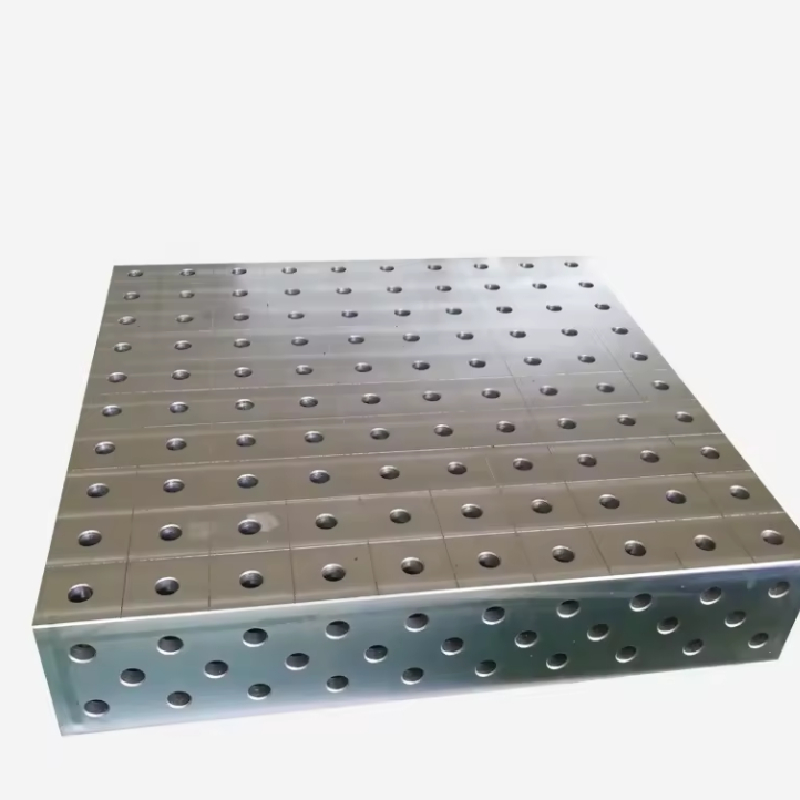
vee blocks
Understanding Vee Blocks Essential Tools in Precision Engineering In the realm of precision engineer

Water Valve Troubleshooting and Maintenance Tips for Homeowners
Water Valve Repair A Complete Guide Water valves are an essential component of any plumbing system,
 English